Choosing the right foundation helps your shed stay level, dry, and durable. Here are the most common shed foundation options for Utah homeowners and what to consider before your shed is installed.
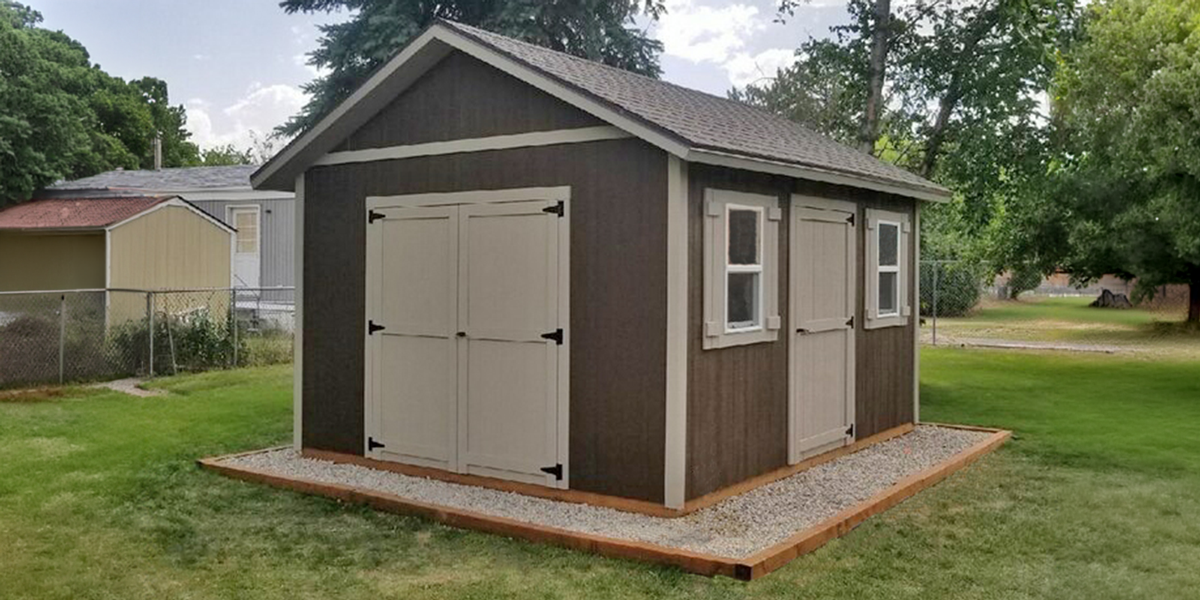
A good shed foundation is one of the most important parts of a long-lasting storage shed. The right foundation helps keep the building level, supports the floor properly, improves drainage, and helps protect the shed from moisture problems over time.
In Utah, shed foundations can vary depending on the size of the shed, the slope of the yard, local soil conditions, drainage, access, and whether the shed may need to be moved in the future. There is not one perfect foundation for every situation, but there are several common options that work well for most homeowners.
Why the Foundation Matters
Even a well-built shed needs proper support underneath it. If a shed is placed on soft, uneven, or poorly drained ground, it can settle, twist, or become difficult to use over time. Doors may stop closing correctly, floors may feel uneven, and water may collect around or under the building.
A good foundation helps with:
Keeping the shed level
Supporting the floor system
Improving drainage
Reducing moisture under the shed
Helping doors and windows operate properly
Extending the life of the structure
At Apex Shed Company, we build strong storage sheds, but the site preparation still matters. The better the shed is supported from the beginning, the better it will perform over the long term.
Common Shed Foundation Options in Utah
There are several foundation options that Utah homeowners commonly consider. The best choice depends on your yard, budget, shed size, and long-term plans for the building.
Gravel or Road Base Pad
A compacted gravel or road base pad is one of the most practical foundation options for many backyard sheds. It allows water to drain away better than bare dirt and provides a stable surface for the shed.
A gravel or road base pad can be a good option when the yard is fairly level and the homeowner wants a clean, functional base without pouring concrete.
Benefits of a gravel or road base pad include:
Good drainage
More affordable than concrete in many cases
Works well for many standard shed sizes
Can help reduce moisture under the shed
Usually easier to modify than concrete
For many Utah homeowners, this is one of the best all-around foundation choices.
Concrete Pad
A concrete pad is a strong, permanent foundation option. It provides a clean, solid surface and can be a good choice for larger sheds, workshops, or buildings that will see heavier use.
Concrete is often the most durable option, but it is also usually more expensive and more permanent. It also needs to be poured correctly so water does not run toward or collect around the shed.
A concrete pad may be a good choice if:
You want a very permanent foundation
The shed will be used as a workshop or heavy storage area
You are installing a larger building
You want a clean finished surface around the shed
Your city or county requires a more permanent foundation for your project
Before choosing concrete, it is worth considering whether you may ever want to move the shed. A concrete pad is permanent, but the shed itself may not always need to be.
Concrete Piers or Footings
Concrete piers or footings can be used in some situations where the shed needs more specific support points. This type of foundation is more involved than a basic gravel pad and is not always necessary for a typical backyard storage shed.
Piers or footings may make sense for certain larger buildings, uneven sites, or situations where local requirements call for additional support.
Wood Blocking
Pressure-treated wood blocking is a common way to support and level sheds, especially when the building needs to be adjusted slightly to match the grade of the yard.
Blocking can be useful, but it needs to be done correctly. The shed should be well supported, and the blocks should sit on stable ground. Poor blocking or support that is too spread out can lead to sagging, settling, or twisting over time.
Pavers
Pavers can work for smaller sheds or lighter-duty buildings when they are placed on a properly prepared base. However, they are usually not the best choice for larger sheds unless the area is well compacted and carefully leveled.
Pavers can shift if the ground underneath them settles, so they need proper preparation.
Bare Ground
Placing a shed directly on bare ground is usually not the best option. Dirt can hold moisture, shift over time, and create uneven support. In many cases, bare ground increases the chances of moisture problems and settling.
For long-term durability, it is usually better to have some type of prepared base under the shed.
What Foundation Is Best for Most Utah Shed Projects?
For many typical backyard storage sheds in Utah, a properly prepared gravel or road base pad is one of the best choices. It provides good drainage, solid support, and a clean area around the building without the cost and permanence of concrete.
That said, the best foundation depends on the specific project.
A small garden shed may only need a simple level pad. A larger storage shed may need a more carefully prepared base. A workshop or heavy-use building may benefit from concrete. A sloped yard may require more site work before the shed is installed.
Things to Consider Before Choosing a Foundation
Before deciding on a shed foundation, think through these questions:
How large will the shed be?
Is the yard level or sloped?
Does water collect in that area?
Will the shed be used for basic storage or heavier equipment?
Could the shed need to be moved later?
Are there local building permit or setback requirements?
Will the foundation make the shed easier or harder to access?
These questions can help narrow down the best option for your property.
Drainage Is Especially Important in Utah
Utah weather can bring snow, rain, freeze-thaw cycles, and dry summer conditions. A foundation that helps move water away from the shed is important.
The goal is to keep water from sitting under or around the building. Good drainage helps protect the floor system and keeps the shed more usable over time.
If possible, choose a location where the ground naturally drains away from the shed. Avoid low spots where water collects.
Should the Shed Be Level?
Yes. A shed should be installed level. If the shed is not level, doors may not swing or latch correctly, windows may not operate as well, and the structure may experience uneven stress over time.
The foundation or support system should create a level base before the shed is installed.
Final Thoughts
The best foundation for a shed in Utah depends on the size of the building, the slope of your yard, drainage, budget, and how you plan to use the shed.
For many homeowners, a well-prepared gravel or road base pad is a practical and reliable choice. Concrete can also be a great option for larger or more permanent projects. The most important thing is that the shed has a level, stable, well-drained base.
Apex Shed Company builds high-quality storage sheds, chicken coops, greenhouses, and backyard buildings throughout Utah. If you are planning a shed project and are not sure what foundation makes the most sense, we can help you think through the best option for your yard and shed style.
Apex Shed Company builds high-quality storage sheds, chicken coops, greenhouses, and backyard buildings throughout Utah. Explore our shed styles or request a quote today.
Back To Blog